
 By chainiste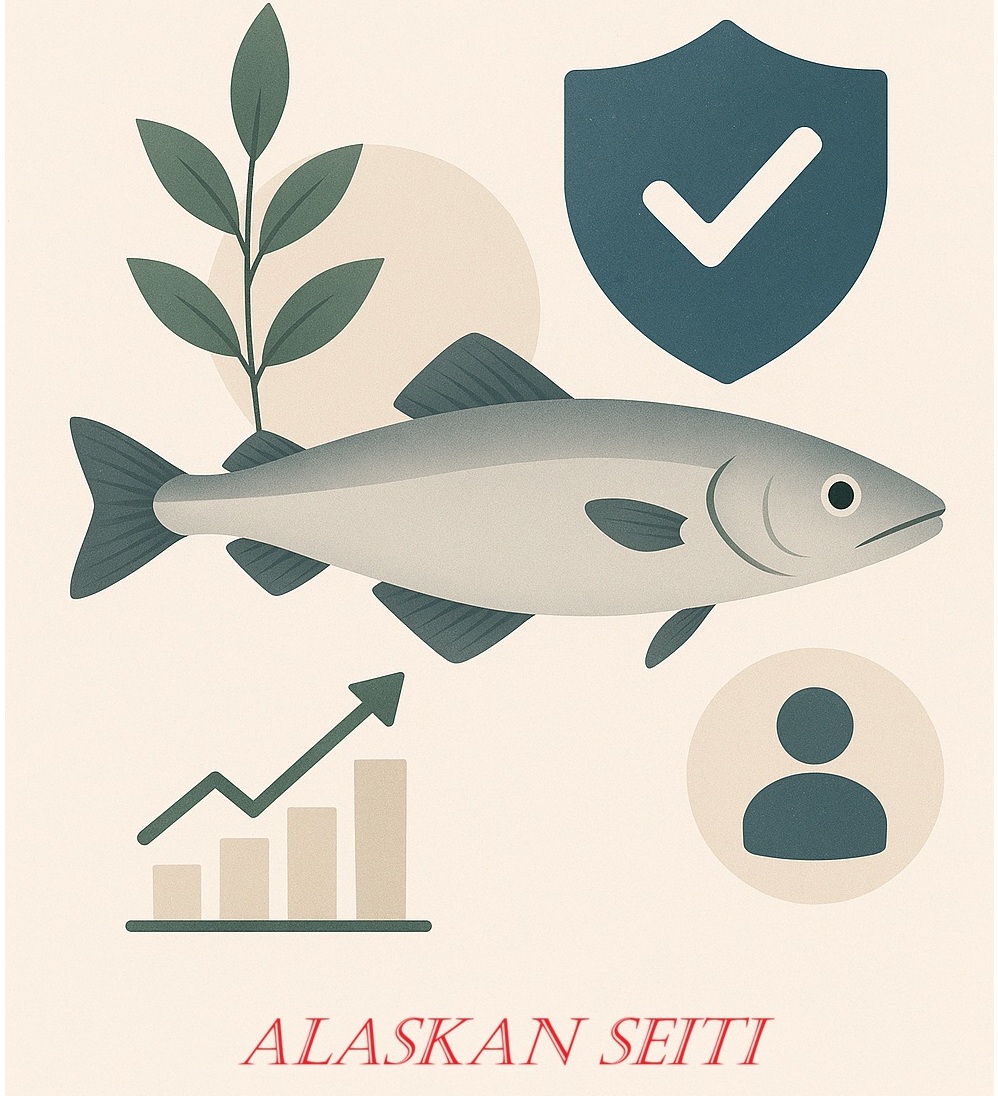
Introduction
Walk through the frozen seafood aisle of almost any supermarket, and you are likely standing in front of one of the world’s most consumed fish without realizing it. Alaskan seiti rarely carries the glamour of salmon or tuna, yet it underpins everyday meals across continents. Its story is not flashy, but it is deeply practical, grounded in nutrition, sustainability, and trust.
This is a fish that feeds millions, supports coastal economies, and fits modern eating habits without asking for attention.
What Is Alaskan Seiti and Why It Matters
At its core, alaskan seiti is a wild-caught white fish known globally as Alaska pollock. It thrives in cold northern waters and is valued for its clean flavor and adaptable texture. Those qualities have quietly made it one of the most important species in global seafood trade.
A Fish Known by Many Names
In different markets, it may appear under various labels, but its appeal remains the same. The flesh is light, soft, and neutral, making it a reliable base for countless recipes and food products. For producers and consumers alike, consistency is its greatest strength.
Where Alaskan Seiti Comes From
Origin matters in seafood, and this fish’s source is part of its reputation. It is harvested exclusively from the cold, nutrient-rich waters of the Bering Sea and the Gulf of Alaska.
Wild-Caught and Carefully Managed
There is no farmed version of this species. Every catch comes from the wild and is regulated under strict U.S. fisheries management. Annual quotas, seasonal limits, and constant monitoring help ensure long-term stock health. This system is often cited as a global model for responsible fishing.
Nutritional Value That Fits Modern Diets
Nutrition is one reason alaskan seiti has remained a staple for decades. It delivers strong value without excess calories or fat, aligning well with how many people eat today.
Nutrition Snapshot per 100 Grams
| Nutrient | Amount |
|---|---|
| Calories | ~90 kcal |
| Protein | ~19 g |
| Total Fat | ~1 g |
| Omega-3 Fatty Acids | ~0.5 g |
| Vitamin B12 | ~1.3 µg |
| Selenium | ~30 µg |
This balance makes it easy to include in everyday meals, whether the goal is weight management, heart health, or simple, nourishing food.
The Health Case for Alaskan Seiti
Beyond basic nutrition, this fish plays a quiet role in long-term wellness. Its benefits are practical rather than trendy.
Simple Benefits, Backed by Science
- High-quality protein supports muscle maintenance and recovery
- Omega-3 fats contribute to heart and brain health
- Vitamin B12 supports nerve function and energy levels
- Low fat content suits calorie-conscious diets
For families, older adults, and anyone seeking uncomplicated nutrition, it checks many boxes without demanding dietary changes.
How Alaskan Seiti Is Used Around the World
The true reach of alaskan seiti becomes clear when you look at how often it appears on the plate, sometimes without a name attached.
A Foundation Fish in Everyday Foods
It is commonly found in:
- Frozen fillets
- Fish fingers and breaded portions
- Surimi and imitation crab
- Ready-to-cook seafood meals
Its mild taste allows seasoning and preparation styles to shine, which is why it works equally well in home kitchens and large-scale food production.
From Ocean to Plate: How It Is Processed
Trust in seafood often comes down to handling. This fish benefits from a streamlined and transparent supply chain.
Preserving Freshness at Sea
Once caught, the fish is processed and frozen quickly, often onboard the vessel. This locks in quality and reduces waste. Later stages include filleting, portioning, or block freezing, all under strict food safety standards designed for international markets.
Alaskan Seiti Compared to Other White Fish
Consumers often weigh options like cod or haddock against this species. The differences are subtle but meaningful.
A Practical Comparison
| Feature | Alaskan Seiti | Cod | Haddock |
|---|---|---|---|
| Flavor | Mild | Slightly sweet | Richer |
| Texture | Soft | Firm | Flaky |
| Price | Affordable | Higher | Mid-range |
| Sustainability | Very high | Mixed | Mixed |
For many buyers, the balance of price, availability, and sustainability tips the scale in its favor.
Sustainability That Holds Up to Scrutiny
Few seafood species are as closely monitored as alaskan seiti. Its fishery is frequently cited in sustainability discussions for good reason.
A Model Fishery
Science-based catch limits, low bycatch rates, and long-term stock stability define this fishery. Certifications from organizations like the Marine Stewardship Council reinforce its standing as one of the most responsibly managed fisheries in the world.
Cooking Alaskan Seiti at Home
While it powers a global industry, this fish remains easy to work with in a home kitchen.
Simple Cooking Methods That Work
- Baking with herbs and citrus
- Light pan-frying
- Steaming for delicate dishes
- Air frying for quick meals
The key is restraint. Gentle cooking preserves moisture and texture, letting the fish do what it does best.
Why Alaskan Seiti Matters Today
In an era where food choices are tied to health, cost, and environmental impact, this fish occupies a rare middle ground. It is affordable without being cheap, nutritious without being trendy, and sustainable without marketing noise.
A Quiet Constant in a Changing Food System
As supply chains face pressure and consumers demand transparency, alaskan seiti stands out not by reinvention, but by reliability. It has fed generations and, if current practices hold, will continue to do so for many more.
Closing Thought
There are foods that arrive with fanfare and those that earn trust slowly. Alaskan seiti belongs to the second group. Its value lies not in headlines, but in everyday relevance. For consumers seeking dependable nutrition and for an industry under scrutiny, that quiet consistency may be its greatest strength.